A concierge doctor Naples FL search often begins with convenience, but the clinical question is usually deeper: how can personalized care help address everyday factors — including diet — that shape long-term health? Sugar and gut health are closely connected — and the science is clearer than ever about why. Sugar is a familiar part of modern eating, appearing in beverages, breakfast foods, sauces, snacks, desserts, and many products that do not taste overtly sweet. The clinical concern is not an occasional dessert; it is the cumulative effect of regularly consuming high amounts of added or free sugars, particularly when those sugars replace fiber-rich, minimally processed foods.
Research increasingly suggests that excessive sugar intake can influence the gut microbiome: the complex ecosystem of microorganisms living in the digestive tract: while also affecting the intestinal barrier, immune signaling, blood glucose regulation, and metabolic health. These effects are not identical in every person: individual microbiota composition, genetics, medications, sleep, stress, physical activity, and total dietary pattern all matter. Nevertheless, the evidence provides a biologically plausible reason to take sugar and gut health seriously.
For residents seeking a more structured approach, a concierge doctor Naples FL resource can help translate broad nutrition advice into measurable, sustainable habits. Personalized assessment, in-house laboratory testing, extended consultations, and ongoing access can make healthy lifestyle changes more practical than relying on short annual visits or generic diet plans.
Table of Contents
- What Sugar Actually Does Inside the Gut
- The Gut-Brain Connection: Mood, Energy, and Cravings
- “Leaky Gut” and Endotoxemia Explained
- Sugar’s Downstream Effects: From the Gut to Metabolic Health
- How Much Sugar Is Too Much?
- The Concierge Medicine Advantage in Naples, FL
- Frequently Asked Questions About Sugar, Gut Health, and Concierge Care
- The Pattern Is the Prescription
- Conclusion
1. What Sugar Actually Does Inside the Gut
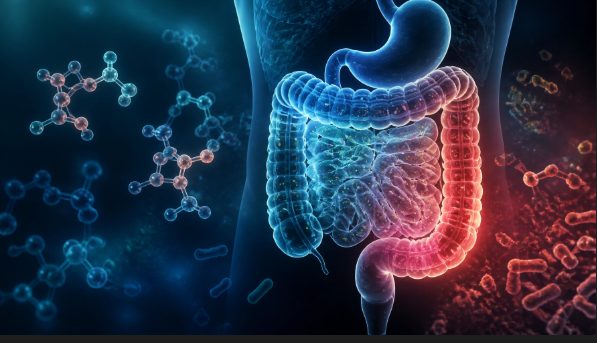
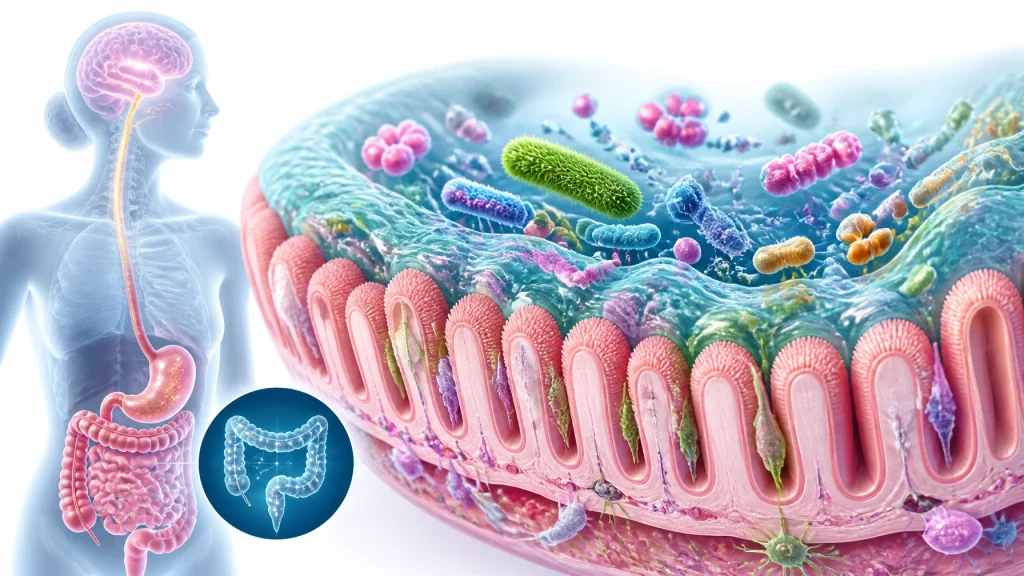
Understanding sugar and gut health begins with basic physiology. The digestive tract is not simply a passageway for food. It is an immunologically active organ containing trillions of microorganisms, a mucus layer, epithelial cells, blood vessels, nerves, and tightly regulated communication systems. Dietary patterns can influence each component.
Added sugar is different from naturally occurring sugar
Naturally occurring sugars in whole fruit and plain dairy foods are packaged with fiber, water, protein, vitamins, minerals, or other nutrients. Added sugars are incorporated into foods during preparation or processing; free sugars, a broader World Health Organization category, include added sugars as well as sugars naturally present in honey, syrups, and unsweetened fruit juices.
Common examples include:
- Sucrose, or table sugar
- High-fructose corn syrup
- Glucose and dextrose
- Fructose added to processed foods
- Agave, honey, and maple syrup when used as sweeteners
- Sugar-sweetened beverages
- Sweetened coffee drinks
- Candy, pastries, and many packaged snack foods
The distinction matters because a food’s total carbohydrate content does not tell the same story as its added-sugar content. A whole apple and a soft drink may both contain sugar, but the apple also provides fiber and a slower digestive experience.
Dysbiosis: when the microbial ecosystem shifts
The gut microbiome changes in response to available nutrients. A diet high in added sugars may enrich microorganisms that efficiently use simple sugars while reducing ecological support for bacteria that thrive on complex carbohydrates and fermentable fiber. The resulting change in microbial composition is called dysbiosis.
A 2025 review in Gut Microbes describes how glucose, fructose, and sucrose can alter microbial diversity, favor sugar-utilizing taxa, reduce some short-chain fatty acid-producing bacteria, and potentially impair gut-barrier function. The authors also emphasize an important caveat: responses vary substantially between individuals, and diet cannot be separated from the broader health context. [1]

Why short-chain fatty acids matter
When beneficial gut bacteria ferment dietary fibers and resistant starches, they produce short-chain fatty acids, or SCFAs: primarily acetate, propionate, and butyrate. These molecules serve several functions:
- Butyrate provides energy for cells lining the colon.
- SCFAs support mucus production and epithelial integrity.
- They help regulate immune activity.
- They participate in metabolic signaling and appetite regulation.
- They may help maintain a lower-inflammatory intestinal environment.
A dietary pattern high in added sugar but low in legumes, vegetables, whole grains, nuts, seeds, and other fiber sources may reduce the substrates needed for SCFA production. The problem is therefore not only what sugar adds; it is also what sugar-heavy foods may displace.
A review in the Journal of Microbiology and Biotechnology describes the relationship between high-sugar dietary patterns, reduced SCFA availability, impaired tight-junction proteins, and increased movement of bacterial products across the intestinal lining. [4]
Sugar does not affect every person identically
The available science does not support the simplistic claim that every amount of sugar immediately causes intestinal damage. Human microbiomes differ, and many mechanistic studies have been conducted in animals or under high-sugar experimental conditions. The more accurate interpretation is that regularly high intake: especially alongside low fiber, excess calories, and ultra-processed foods: may create conditions that are less favorable for gut resilience. [1][4][7]
> Q: Does eating sugar once damage the gut?
> An occasional sweet food is unlikely to determine a person’s long-term gut health. The clinically meaningful issue is the overall pattern: frequent sugary drinks, desserts, refined snacks, and added sugars replacing fiber-rich foods can gradually influence microbial and metabolic conditions.
2. The Gut-Brain Connection: Mood, Energy, and Cravings
The gut and brain communicate through several overlapping pathways:
- The vagus nerve
- Immune and inflammatory signaling
- Microbial metabolites, including SCFAs
- Hormones involved in appetite and satiety
- Blood glucose fluctuations
- The hypothalamic-pituitary-adrenal stress system
This network is known as the gut-brain axis. It does not mean that gut bacteria independently control every emotion or food choice; rather, it means that gastrointestinal physiology and brain function influence one another.
Why high-sugar foods can create an energy roller coaster
Sugary foods and drinks that contain little fiber or protein can be absorbed rapidly, producing a relatively quick rise in blood glucose. Insulin then helps move glucose into cells. Depending on the food, the amount consumed, and the person’s metabolic health, blood glucose may subsequently fall: sometimes leaving the individual tired, hungry, or focused on another quick source of energy.
This cycle can be reinforced by:
- A sweetened breakfast or beverage
- A rapid rise in blood glucose
- A compensatory insulin response
- Temporary energy followed by fatigue or hunger
- Renewed desire for highly palatable carbohydrates
This is not simply a matter of willpower. Appetite is regulated by physiology, sleep, stress, habit, food availability, and reward pathways. A person who is chronically sleep-deprived, insulin-resistant, anxious, or skipping meals may experience cravings differently from a person with stable meals and adequate rest.
What gut microbes may contribute
Microbial metabolites interact with immune, endocrine, and neural systems. The relationship between microbial composition and mood or appetite is complex, and current research does not establish that sugar alone directly causes depression, anxiety, or a specific craving disorder. However, high-sugar dietary patterns can coexist with inflammation, impaired glycemic control, poor sleep, and low dietary quality: all of which can influence energy and appetite.
A review of glycemic sugar metabolism and the microbiota describes the gut ecosystem as part of a larger metabolic network rather than an isolated digestive phenomenon. [7] The practical implication is important: improving gut health generally involves stabilizing the entire daily pattern, not merely removing one food.
> Q: Why do sugar cravings return after eating something sweet?
> Cravings may reflect a combination of reward signaling, rapid carbohydrate absorption, inadequate protein or fiber, stress, sleep loss, and learned routines. Replacing rather than simply restricting: such as pairing fruit with Greek yogurt or nuts: can improve satiety while making the change more sustainable.
3. “Leaky Gut” and Endotoxemia Explained
“Leaky gut” is a popular phrase. The medical concept is increased intestinal permeability, meaning that substances pass through the intestinal barrier more readily than they should.
The intestinal barrier as a selective filter
The intestinal lining consists of epithelial cells joined by structures called tight junctions. These junctions help regulate what moves between cells. The mucus layer above the epithelium provides another protective interface, while immune cells monitor potential threats below.
A healthy barrier is not completely impermeable. It must allow nutrients and water to pass while limiting the uncontrolled movement of bacteria, bacterial fragments, and other potentially inflammatory substances.
Experimental research indicates that high-sugar and high-fat dietary patterns may reduce the expression or function of tight-junction proteins, including proteins associated with epithelial sealing. Fructose has also been studied for its potential to promote dysbiosis, increased permeability, and systemic inflammatory signaling. [4][5]
What is endotoxin?
Lipopolysaccharide, or LPS, is a component of the outer membrane of certain Gram-negative bacteria. LPS is sometimes called endotoxin. Under normal conditions, the intestinal barrier and immune system limit its contact with the circulation.
If the barrier becomes more permeable, greater quantities of microbial products may cross into the bloodstream. The immune system can recognize LPS and activate inflammatory pathways. This process, sometimes called metabolic endotoxemia, is one proposed connection between intestinal changes and systemic metabolic dysfunction.
The sequence can be summarized as:
High-sugar dietary pattern → microbiome shift and reduced barrier support → greater intestinal permeability → increased exposure to microbial products → inflammatory and metabolic signaling
This is a proposed biological pathway: not a diagnosis that can be made solely from bloating, fatigue, or a food craving. Symptoms attributed to “leaky gut” may have many causes, including celiac disease, inflammatory bowel disease, irritable bowel syndrome, infection, medication effects, food intolerance, or other medical conditions. Persistent or severe symptoms warrant a clinical evaluation.
A 2026 study examining a high-sugar diet combined with carrageenan reported impairment of the intestinal mucosal barrier through gut-microbiota-related mechanisms. Because the study is experimental, its results should be interpreted as mechanistic evidence rather than proof that the same degree of injury occurs in every human consuming sugar. [8]
> Q: Can a person test for leaky gut at home?
> Commercial permeability tests are not a substitute for a medical evaluation, and no single home test explains the full range of gastrointestinal symptoms. A clinician may instead assess symptoms, medication use, medical history, nutritional pattern, metabolic markers, and: when appropriate: laboratory or specialty testing.
4. Sugar’s Downstream Effects: From the Gut to Metabolic Health
The evidence on sugar and gut health also extends beyond digestion alone. The gut does not operate separately from the liver, pancreas, cardiovascular system, or immune system. High added-sugar intake may affect these systems through several pathways: excess calorie intake, elevated glucose and triglyceride production, insulin resistance, fatty liver development, microbial changes, and inflammatory signaling.
Inflammatory bowel disease: an association, not a guaranteed outcome
Inflammatory bowel disease, or IBD, includes Crohn’s disease and ulcerative colitis. It is driven by an inappropriate or dysregulated immune response involving genetic susceptibility, environmental exposures, the microbiome, and intestinal barrier function.
A 2025 systematic review and meta-analysis of 45 studies reported associations between higher sugar or sugar-sweetened beverage intake and IBD. The reported odds ratios were approximately:
- Crohn’s disease: OR 1.66
- Ulcerative colitis: OR 1.59
- Sugar-sweetened beverages and Crohn’s disease: OR 1.58
- Sugar-sweetened beverages and ulcerative colitis: OR 1.72
These figures describe associations observed across the analyzed research; they do not prove that sugar alone causes IBD. [2]
Experimental work also suggests that sugar-heavy dietary patterns can disrupt microbiota-mediated immune protection and worsen inflammatory responses. In a Cell study, dietary sugar altered gut microbial and immune interactions in a way that disrupted protection against metabolic syndrome in mice. [3]
Metabolic syndrome and blood glucose regulation
Metabolic syndrome is a cluster of risk factors that may include abdominal adiposity, elevated blood pressure, abnormal triglycerides, low HDL cholesterol, and impaired glucose regulation. Excess added sugar can contribute to this pattern by increasing total caloric intake and, in some circumstances, promoting hepatic fat synthesis.
The gut microbiome may amplify or moderate these effects. Dysbiosis, lower SCFA production, and increased exposure to microbial products have all been investigated as potential contributors to insulin resistance and low-grade inflammation. [1][3][4]
Fatty liver and cardiovascular inflammation
Fructose is metabolized substantially in the liver, where excessive intake may contribute to increased fat production under certain dietary and metabolic conditions. The relationship is influenced by total calories, body composition, insulin sensitivity, alcohol exposure, and other foods.
A review in Biomedicines describes pathways through which fructose can promote gut dysbiosis, intestinal permeability, and systemic or cardiovascular inflammation. [5] Again, the clinical meaning is not that fruit should be avoided; it is that concentrated fructose-containing products: particularly sweetened drinks and processed foods: can deliver large amounts quickly, without the fiber and chewing associated with whole foods.
5. How Much Sugar Is Too Much?
The World Health Organization recommends limiting free sugars to less than 10% of total daily energy intake, with a conditional recommendation to reduce intake below 5% when possible. [6]
For a person consuming 2,000 calories per day, 10% represents approximately 200 calories from free sugar, or about 50 grams. Five percent represents approximately 100 calories, or about 25 grams. These calculations are illustrations rather than individualized prescriptions; energy needs vary, and food labels may list grams of added sugar rather than all free sugars.
How to read a nutrition label
A practical label review includes:
- Serving size: A bottle, package, or “single” snack may contain multiple servings.
- Added sugars: In the United States, the Nutrition Facts label lists added sugars separately.
- Ingredient list: Sugar may appear as cane sugar, corn syrup, rice syrup, maltose, dextrose, fructose, honey, agave, molasses, or fruit juice concentrate.
- Liquid calories: Sweetened beverages are easy to consume quickly and may provide limited satiety.
- Total dietary pattern: A low-sugar product is not automatically nutritious if it is highly refined and low in fiber or protein.
Hidden sources of sugar
Added sugar often appears in:
- Flavored yogurt
- Granola and cereal
- Bottled salad dressings
- Pasta sauce
- Protein bars
- Sweetened oatmeal
- Sports and energy drinks
- Specialty coffee beverages
- Ketchup and barbecue sauce
- “Natural” or organic snack products
A realistic healthy lifestyle does not require eliminating every sweet taste. It often begins with identifying the highest-impact sources: especially beverages: and replacing them with water, unsweetened tea, sparkling water, or a lower-sugar alternative.
> Q: Is fruit harmful because it contains sugar?
> Whole fruit is not equivalent to a sugar-sweetened beverage. Fruit contains fiber, water, and micronutrients that affect digestion and satiety. Individual circumstances differ, particularly for people with diabetes, gastrointestinal disorders, or specific dietary restrictions, so portions and food choices should be discussed with a qualified clinician.
6. The Concierge Medicine Advantage in Naples, FL
Healthy lifestyle advice is easy to state and difficult to sustain. “Eat less sugar” does not explain which foods are driving intake, whether fatigue is related to sleep or glucose regulation, how gastrointestinal symptoms should be evaluated, or what alternatives fit a patient’s schedule and preferences.
This is where a concierge doctor Naples FL model can become clinically useful. Goodwin Medical Center combines personalized internal medicine with preventive care and ongoing accessibility: an approach designed to examine patterns over time rather than treat each concern as an isolated appointment.
Personalized nutritional assessment
A nutrition plan is more effective when it considers:
- Typical meals and beverages
- Work, travel, and family routines
- Cultural preferences
- Gastrointestinal symptoms
- Weight history and appetite
- Sleep and stress
- Physical activity
- Medications and medical conditions
- Metabolic laboratory results
Goodwin Medical Center’s preventive medicine services include nutritional assessment, comprehensive health history, vital-sign monitoring, and advanced laboratory evaluation. This allows dietary recommendations to be connected to the patient’s broader health profile rather than based on a generic list of “good” and “bad” foods.
In-house laboratory testing and measurable goals
A clinician may determine that a patient would benefit from evaluating markers related to glucose regulation, lipids, liver function, inflammation, or other aspects of metabolic health. Laboratory testing cannot measure every feature of the gut microbiome, and a microbiome result should not be treated as a complete diagnosis. However, objective clinical data can help identify conditions that influence energy, appetite, weight, and long-term risk.
The goal is not to turn eating into a constant laboratory experiment. It is to establish a baseline, identify clinically relevant risks, and monitor whether changes are moving in a favorable direction.
Extended consultations
Short appointments can make complex nutrition counseling feel rushed. Extended consultations allow a concierge doctor Naples FL provider to review the patient’s medical history, discuss food patterns, identify barriers, explain laboratory results, and establish a manageable first step.
For example, one patient may benefit most from eliminating sweetened beverages, while another may need a structured breakfast containing protein and fiber to reduce afternoon cravings. A third may require evaluation for persistent diarrhea, anemia, unintentional weight loss, or other symptoms that should not be attributed to sugar alone.
Accountability without punishment
Sustainable care is not built on shame. It is built on feedback, adjustment, and realistic repetition. Follow-up can help patients:
- Track changes in sugary beverage intake
- Increase fiber gradually
- Monitor gastrointestinal symptoms
- Adjust goals around travel or holidays
- Address medication or medical factors affecting weight
- Reassess blood pressure, weight, glucose, and lipid trends
- Modify the plan when symptoms or results change
Goodwin Medical Center also describes weight-management support that combines clinical oversight, metabolic monitoring, lifestyle guidance, and: when medically appropriate: prescription-based interventions. Medication is not a replacement for nutrition, movement, sleep, or behavioral support; it may be one component of an individualized plan for eligible patients.
Direct access and care coordination
Members of a concierge practice may have access to same-day or next-day appointments, extended visits, and communication with the medical team for appropriate non-emergency concerns. Goodwin Medical Center’s concierge medicine model is structured around a smaller patient panel, personalized primary care, chronic disease management, preventive services, and coordination with specialists when needed.
For a Naples resident searching online for a concierge doctor Naples FL option or simply a doctor near me, the relevant question is not only geographic convenience. It is whether the practice can provide continuity, adequate time, and a plan that connects digestive symptoms with metabolic, behavioral, and preventive care.
The model is fee-for-service and does not accept insurance, according to the practice’s frequently asked questions. Membership details, included services, and any additional fees should be reviewed directly with the medical team.
> Q: How can a concierge practice help someone reduce sugar without following a rigid diet?
> A concierge doctor Naples FL practice can help identify the patient’s highest-impact sources of added sugar, review relevant health data, create realistic substitutions, monitor progress, and adjust the plan through follow-up. The emphasis is on a durable pattern rather than a short-term detox.
7. Frequently Asked Questions About Sugar, Gut Health, and Concierge Care
What should someone look for when searching for a “doctor near me” for gut health?
A suitable primary-care clinician should evaluate the full picture: symptoms, medications, medical history, diet, bowel habits, weight trends, sleep, stress, and relevant laboratory findings. A patient should also ask whether the practice offers preventive care, follow-up access, and specialist coordination.
Persistent blood in the stool, black stools, unexplained weight loss, severe abdominal pain, recurrent vomiting, fever, dehydration, or a sudden change in bowel habits requires timely medical evaluation rather than self-directed dietary experimentation.
Is there a doctor in Naples, FL who can help with sugar cravings and weight management?
A concierge doctor Naples FL physician with experience in preventive medicine and weight management can evaluate whether cravings relate to meal timing, sleep, stress, metabolic health, medications, or other factors. Goodwin Medical Center provides weight-management services that include clinical oversight, lifestyle guidance, and monitoring when treatment is medically appropriate.
What does a concierge doctor in Naples, FL do differently?
A concierge doctor Naples FL practice typically cares for a smaller patient panel and offers enhanced access, longer appointments, proactive prevention, and more individualized coordination. At Goodwin Medical Center, the concierge model includes comprehensive primary care, chronic disease management, preventive services, and communication with the medical team for appropriate concerns.
Does concierge medicine Naples FL include nutrition counseling?
Nutrition assessment is included among Goodwin Medical Center’s preventive medicine services. The specific scope of counseling, testing, and any additional services should be confirmed during a consultation. Nutrition guidance may address added sugar, dietary fiber, weight, glucose regulation, cardiovascular risk, and gastrointestinal symptoms as part of a broader plan.
Can reducing sugar improve gut health?
Reducing excessive added and free sugars may support a healthier overall dietary pattern, particularly when sugary foods and beverages are replaced with fiber-rich whole foods. In other words, improving sugar and gut health often means improving the broader dietary pattern as well. Research suggests that this may favor microbial diversity, SCFA production, and intestinal-barrier function, although individual responses vary and sugar reduction is not a standalone treatment for IBD, IBS, or another gastrointestinal diagnosis. [1][2][4]
How can a person schedule with a concierge doctor in Naples, FL?
Individuals interested in a concierge doctor Naples FL consultation can request an appointment with Goodwin Medical Center or review the practice’s contact information. A private consultation can clarify membership structure, services, fees, and whether the practice is appropriate for the individual’s health goals.
8. The Pattern Is the Prescription
The strongest message from the evidence is not that sugar is a toxin or that a perfect diet is required. It is that repeated dietary patterns shape the gut environment and influence the rest of the body.
A pattern dominated by sweetened beverages, refined snacks, low fiber, inadequate sleep, and inactivity may place simultaneous pressure on the microbiome, intestinal barrier, glucose regulation, liver, cardiovascular system, and appetite-control mechanisms. By contrast, a pattern built around vegetables, legumes, whole grains, nuts, seeds, minimally processed proteins, adequate hydration, regular movement, and limited added sugar provides the substrates and routines associated with better metabolic resilience.
The research also argues for humility. Human responses differ. Animal findings are informative but not identical to human outcomes. Observational associations do not prove causation. Symptoms such as bloating or fatigue should not automatically be blamed on “leaky gut,” and severe symptoms should never be managed through internet advice alone.
A sustainable healthy lifestyle therefore requires three elements:
- Scientific direction: Reduce high-impact sources of added sugar and increase fiber-rich foods.
- Clinical context: Evaluate symptoms, medications, metabolic risks, and individual needs.
- Longitudinal support: Revisit the plan, measure relevant outcomes, and adapt as circumstances change.
This is the practical value of a relationship with a trusted concierge doctor Naples FL provider: health behavior becomes part of continuing medical care rather than a disconnected project attempted alone.
9. Conclusion
The evidence on sugar and gut health suggests that excessive sugar intake can influence gut microbial composition, reduce support for short-chain fatty acid production, weaken aspects of the intestinal barrier, and contribute to inflammatory and metabolic pathways. The strongest concern involves habitual high intake: especially sugar-sweetened beverages and ultra-processed foods within a low-fiber dietary pattern: not an occasional dessert or the natural sugar found in whole fruit.
For Naples residents seeking a more personalized approach, a concierge doctor Naples FL practice such as Goodwin Medical Center offers concierge primary care that connects nutritional assessment, preventive medicine, laboratory monitoring, weight-management support, extended consultations, accountability, and direct access. The objective is not an extreme “reset.” It is a medically informed, sustainable system for building and maintaining a healthier lifestyle.
Request a private consultation with Goodwin Medical Center to discuss personalized preventive and concierge care.
References
- Zhang Y, Walker MM, Kaplan GG, Qi Y. Added sugars, gut microbiota, and host health. Gut Microbes. 2025. doi:10.1080/19490976.2025.2592431
- Maniyar I, et al. Sugar and sugar-sweetened beverage intake and risk of inflammatory bowel disease: systematic review and meta-analysis. United European Gastroenterology Journal. 2025. doi:10.1002/ueg2.70047
- Kawano Y, et al. Dietary sugar alters the gut microbiota and promotes metabolic syndrome. Cell. 2022. doi:10.1016/j.cell.2022.08.005
- Chae W, et al. Dietary sugar and fat, gut microbiota, intestinal barrier, and metabolic inflammation: a review. Journal of Microbiology and Biotechnology. 2024. doi:10.4014/jmb.2312.12031
- Cheng W, et al. Fructose, gut microbiota, intestinal permeability, and systemic inflammation: implications for cardiometabolic health. Biomedicines. 2021;9(7):728. doi:10.3390/biomedicines9070728
- World Health Organization. Guideline: Sugars Intake for Adults and Children. Geneva: World Health Organization; 2015. WHO publication
- Westerbeke FHM, et al. Glycaemic sugar metabolism and the gut microbiota. The FEBS Journal. 2024. doi:10.1111/febs.17293
- Gao Y, et al. High-sugar and carrageenan dietary exposure impairs the intestinal mucosal barrier through gut microbiota-related mechanisms. Current Research in Food Science. 2026. doi:10.1016/j.crfs.2026.101418