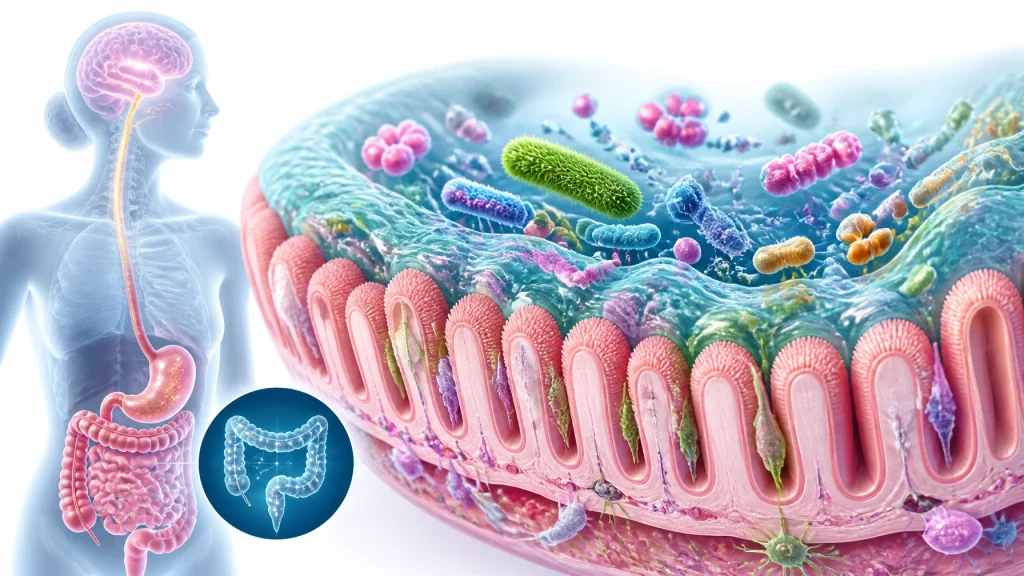

The human gastrointestinal tract is no longer viewed merely as a site for nutrient absorption and waste excretion. Current scientific consensus identifies the gut microbiome: a complex ecosystem of trillions of microorganisms: as a dynamic “second brain” that modulates systemic physiology, immune function, and neurological health. Emerging research published in Nature Reviews Gastroenterology & Hepatology (2025) suggests that dietary patterns directly shape microbiome features, which in turn influence cardiometabolic and nervous system outcomes [1].
For residents of Naples, FL, seeking peak performance and longevity, understanding the subtle signals of microbial dysbiosis: an imbalance in these gut bacteria: is critical. When the delicate equilibrium of the microbiome is disrupted, the consequences extend far beyond simple indigestion, manifesting as cognitive decline, mood disorders, and chronic fatigue.
Table of Contents
- The Gut-Brain Axis: Cognitive Fog and Fatigue
- Digestive Signaling: Beyond Simple Bloating
- The Neurochemical Link: Anxiety and Mood Shifts
- Dermatological Manifestations: The Gut-Skin Axis
- Circadian Disruption: Sleep and Microbial Rhythms
- The Pattern is the Prescription: Evidence-Based Protocols
- The Concierge Advantage at Goodwin Medical Center
- References
1. The Gut-Brain Axis: Cognitive Fog and Fatigue
One of the most profound revelations in modern medicine is the bi-directional communication between the gut and the central nervous system, known as the gut-brain axis. Research from Nature Reviews Microbiology (2025) highlights that microbiota-neuroepithelial signaling allows gut bacteria to influence neural activity directly via the vagus nerve [2].
When the microbiome is compromised, metabolic byproducts can cross the blood-brain barrier, leading to “brain fog”: a state of cognitive clouding and reduced mental clarity. Clinical observations indicate that cognitive performance can decline by up to 20% in the presence of systemic inflammation triggered by gut dysbiosis [2]. Chronic fatigue is often a secondary symptom, as an imbalanced gut struggles to synthesize essential B vitamins and regulate energy metabolism.

2. Digestive Signaling: Beyond Simple Bloating
While bloating and gas are common, persistent digestive discomfort often signals a significant shift in microbial diversity. Studies suggest that a loss of 30% or more of microbial richness is strongly correlated with irritable bowel symptoms and chronic irregularity [1].
The primary mechanism involves the fermentation of undigested carbohydrates by pathogenic bacteria, which produce excess methane or hydrogen gas. This not only causes physical distension but can also damage the intestinal lining: a condition frequently termed “leaky gut” or increased intestinal permeability. This allows endotoxins like lipopolysaccharides (LPS) to enter the bloodstream, fueling systemic inflammation.
3. The Neurochemical Link: Anxiety and Mood Shifts
The gut is responsible for producing approximately 95% of the body’s serotonin, a key neurotransmitter for mood regulation. A 2026 review in Nutrients demonstrates that the diet-microbiome-brain axis plays a foundational role in mental health; specifically, certain bacterial strains (psychobiotics) can reduce cortisol levels by significant margins [5].
Individuals experiencing unexplained anxiety or low mood may find the root cause in their microbiome. When beneficial bacteria like Lactobacillus and Bifidobacterium are depleted, the production of gamma-aminobutyric acid (GABA): the brain’s primary inhibitory neurotransmitter: is often suppressed, leading to heightened stress responses and emotional instability.
4. Dermatological Manifestations: The Gut-Skin Axis
The skin often acts as a mirror for internal health. Eczema, psoriasis, and adult-onset acne are frequently linked to the gut-skin axis. According to the Mayo Clinic Press (2024), healing the gut is often the first step in resolving recalcitrant skin conditions [3].
Systemic inflammation originating in the gut can trigger the release of pro-inflammatory cytokines that degrade collagen and disrupt the skin’s barrier function. Patients who implement microbiome-restorative protocols often report visible improvements in skin clarity within 4 to 6 weeks [3].

5. Circadian Disruption: Sleep and Microbial Rhythms
The gut microbiome possesses its own circadian rhythm, which fluctuates in synchronization with the host’s sleep-wake cycle. Evidence suggests that dysbiosis can disrupt the production of melatonin precursors, leading to fragmented sleep and insomnia.
Research in Frontiers in Nutrition (2025) suggests that the consumption of specific phytochemicals can modulate the microbiota to enhance sleep quality scores by nearly 15% [4]. Without a diverse microbiome, the body’s internal clock becomes desynchronized, creating a cycle of fatigue and further digestive distress.
The Pattern is the Prescription: Evidence-Based Protocols
The evidence demonstrates that gut health is not a static state but a dynamic equilibrium influenced heavily by lifestyle interventions. To optimize the microbiome, the research supports the following “Hub and Spoke” dietary strategy:
- Fiber-Rich Mediterranean/MIND Pattern: High intake of diverse plant fibers: aiming for 30+ different plants per week: provides the prebiotic fuel necessary for beneficial bacteria to flourish.
- Phytochemical Integration: Polyphenols found in dark berries, green tea, and cocoa act as selective prebiotics, inhibiting pathogenic growth while promoting cognitive health [4].
- Fermented Foods: Daily inclusion of kefir, sauerkraut, or kombucha introduces transient beneficial microbes that enhance gut barrier function.
- Elimination of Ultra-Processed Foods (UPFs): Research shows that emulsifiers and artificial sweeteners found in UPFs can directly erode the protective mucus layer of the intestines [1].

The Concierge Advantage at Goodwin Medical Center
In a traditional primary care setting, gut health issues are often dismissed unless they manifest as acute disease. However, as a premier concierge doctor in Naples, FL, Dr. Goodwin utilizes a different paradigm. The advantages of concierge medicine allow for the extended appointment times necessary to perform deep-dive nutritional assessments and advanced diagnostic testing.
At Goodwin Medical Center, we treat the microbiome as a cornerstone of preventive care. Our comprehensive health assessments include screening for dysbiosis and inflammation, allowing us to create personalized protocols that integrate both internal medicine expertise and aesthetic anti-aging med-spa services. By addressing the gut-brain axis, we help our members achieve not just the absence of disease, but a state of optimized vitality.

Whether you are seeking to resolve chronic brain fog or simply want to ensure your internal ecosystem is supporting your long-term health, personalized concierge care provides the roadmap to restoration.
References
[1] The gut microbiome connects nutrition and human health. Nature Reviews Gastroenterology & Hepatology. 2025;22(8):534–555. https://doi.org/10.1038/s41575-025-01077-5
[2] Microbiota–neuroepithelial signaling across the gut–brain axis. Nature Reviews Microbiology. 2025;23(6):371–384. https://doi.org/10.1038/s41579-024-01136-9
[3] Heal Your Gut, Save Your Brain. Mayo Clinic Press; 2024.
[4] Gut microbiota and cognitive health via phytochemicals. Frontiers in Nutrition. 2025;12:10842. https://doi.org/10.3389/fnut.2025.10842
[5] Diet–microbiome–brain axis and mental health. Nutrients. 2026;18(2):412. https://doi.org/10.3390/nu18020412