![[HERO] Why Everyone Is Talking About Preventive Cancer Screening (And You Should Too)](https://cdn.marblism.com/xgsAmbTDX8M.webp)
There’s a reason why cancer screening has become one of the most discussed topics in healthcare today. It’s not just another medical buzzword or a passing trend: it’s a conversation that’s literally saving millions of lives. And if you haven’t thought much about your own screening schedule lately, now is the perfect time to start.
The truth is, when it comes to cancer, what you don’t know can hurt you. But here’s the encouraging news: early detection through routine screening has proven to be one of our most powerful tools in the fight against this disease. In fact, between 1975 and 2020, screening and prevention collectively prevented an estimated 4.75 million cancer deaths in the United States alone. That’s not a typo: millions of lives saved because people chose to be proactive about their health.
So let’s talk about why preventive cancer screening matters, what it can do for you, and how making it a priority could be one of the most important decisions you ever make.
The Numbers Don’t Lie: Screening Saves Lives
When we look at the data, the impact of cancer screening becomes impossible to ignore. Cancer mortality in the United States decreased by 25% from 1990 to 2015, and a significant portion of that decline can be attributed to early detection through screening programs.
The results are even more striking when we break it down by cancer type:
- Colorectal cancer deaths dropped by 47% in men and 44% in women
- Breast cancer deaths declined by 39% in women
- Cervical cancer mortality reductions are attributed entirely to screening efforts
- 79% of colorectal cancer deaths averted were prevented through screening
- 56% of prostate cancer deaths averted came from early detection
These aren’t just statistics: they represent fathers, mothers, siblings, friends, and neighbors who are still here today because they got screened. When breast cancer is detected through a screening mammogram, for instance, the survival rate is approximately 99%. That’s the kind of outcome we should all be striving for.

Why Early Detection Changes Everything
Here’s what many people don’t realize: cancer behaves very differently depending on when it’s caught. When detected at its earliest stages, treatment is often more effective, less invasive, and significantly more likely to result in a complete cure.
Think about it this way. A small, localized tumor that hasn’t spread to surrounding tissues or lymph nodes is far easier to treat than an advanced cancer that has metastasized throughout the body. Early-stage cancers often require less aggressive treatment approaches, which means fewer side effects, shorter recovery times, and a better quality of life during and after treatment.
A compelling study of over 13,000 women found that those who had been screened within five years before their diagnosis were 54% less likely to be diagnosed at a late stage and 36% less likely to die from breast cancer compared to women who hadn’t been screened. That’s a dramatic difference: and it all comes down to timing.
The bottom line? Finding cancer early doesn’t just improve your chances of survival. It can also mean the difference between a minor procedure and months of intensive treatment.
The Hidden Benefits of Regular Screening
Beyond catching cancer in its earliest stages, preventive screening offers several advantages that often go overlooked:
Detecting Precancerous Changes
Some screenings can actually identify abnormal cells before they become cancerous. Colonoscopies, for example, can find and remove polyps that might eventually develop into colon cancer. This means screening doesn’t just detect cancer: it can actually prevent it from forming in the first place.
More Treatment Options
When cancer is caught early, you typically have more choices when it comes to treatment. You might be a candidate for minimally invasive surgery, targeted therapies, or other approaches that wouldn’t be available if the disease had progressed. Having options gives you more control over your healthcare journey.

Reduced Healthcare Costs
While nobody likes to think about the financial side of illness, the reality is that treating advanced cancer is exponentially more expensive than treating early-stage disease. Preventive screening is an investment that can save you: and the healthcare system: significant resources down the road.
Peace of Mind
There’s something incredibly valuable about knowing where you stand with your health. Regular screenings can provide reassurance that everything is okay, or they can catch problems early when they’re most treatable. Either way, you’re empowered with knowledge rather than left wondering.
What Screenings Should You Be Getting?
The US Preventive Services Task Force recommends routine screening for several types of cancer:
Revolutionary Blood Cancer Screening: Multi-Cancer Early Detection (MCED)
In recent years, a new option has entered the prevention conversation: Multi-Cancer Early Detection (MCED) testing. This technology aims to detect signals associated with more than 50 types of cancer through a single blood draw, which is a big shift from the traditional one-test-for-one-cancer approach.
What makes this feel like a game-changer is the potential to spot cancers earlier—sometimes before symptoms show up—especially cancers that don’t have standard screening tests today. Instead of waiting until something feels “off,” you have another proactive way to understand what may be happening inside your body, and that kind of insight can be incredibly empowering.
Just as important, MCED can offer meaningful peace of mind. If you’re someone who worries about family history, past exposures, or simply wants a more comprehensive view of your health, having a single blood draw that screens broadly can reduce the mental load of “What if?”—and help you feel more in control of your next steps.
- Breast cancer – Mammograms for women, typically starting between ages 40-50
- Cervical cancer – Pap smears and HPV testing for women
- Colorectal cancer – Colonoscopies or other screening methods, usually starting at age 45
- Lung cancer – Low-dose CT scans for current or former heavy smokers
- Prostate cancer – PSA testing for men, with timing based on individual risk factors
However, these general guidelines don’t tell the whole story. Your specific screening schedule should be tailored to you: taking into account your age, family history, genetic factors, lifestyle, and personal health history. What’s right for your neighbor might not be right for you, and that’s perfectly normal.
This is where having a trusted healthcare provider who truly knows you becomes invaluable. A physician who understands your complete health picture can help you navigate which screenings are most important for your situation and how often you should be getting them.
How Comprehensive Care Makes a Difference
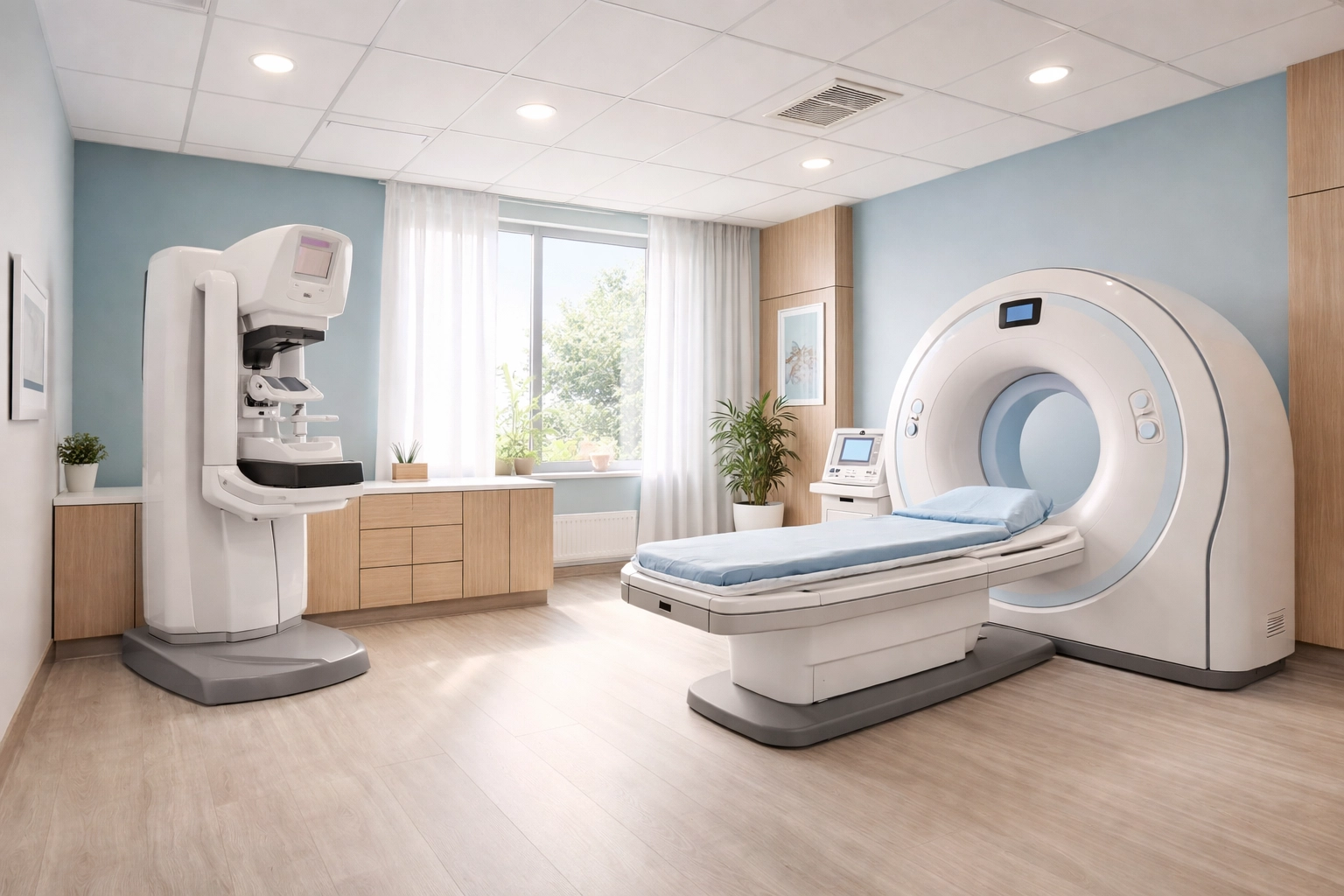
At Goodwin Medical Center, we believe that preventive cancer screening shouldn’t be an afterthought: it should be a cornerstone of your healthcare. That’s why comprehensive screenings are built directly into our membership model.
When you’re part of our practice, you’re not just another patient shuffling through a crowded waiting room. You have access to a physician who takes the time to understand your health history, your risk factors, and your concerns. We work with you to create a personalized screening schedule that makes sense for your life, and we follow up to make sure nothing falls through the cracks.
This proactive, relationship-based approach to medicine means that important screenings don’t get forgotten or pushed off until “next year.” Your health stays front and center, exactly where it belongs.
If you’re curious about what concierge medicine looks like in practice, we encourage you to explore how this model can transform your healthcare experience: especially when it comes to staying on top of preventive care.
Taking the First Step
We understand that thinking about cancer can feel uncomfortable or even scary. Many people avoid screenings because they’re afraid of what might be found. But here’s the thing: avoiding a screening doesn’t make a potential problem go away. It just delays the discovery: and in the case of cancer, delays can be costly.
The most empowering thing you can do for yourself and your loved ones is to be proactive. Schedule those screenings. Have those conversations with your doctor. Know your risk factors and take appropriate action.
Early detection isn’t about living in fear. It’s about taking control of your health and giving yourself the best possible chance at a long, healthy life. It’s about catching problems when they’re small and manageable rather than waiting until they become overwhelming.
Your Health Is Worth It
Preventive cancer screening has saved millions of lives, and it continues to be one of the most effective tools we have in fighting this disease. The science is clear, the evidence is overwhelming, and the opportunity is right in front of you.
If it’s been a while since you’ve reviewed your screening schedule: or if you’ve never had a comprehensive conversation with a doctor about your cancer risk: now is the time. Don’t wait for symptoms to appear. Don’t put it off until next year. Your future self will thank you for taking action today.
Ready to prioritize your preventive care? Schedule a consultation with Dr.Goodwin at Goodwin Medical Center and take the first step toward a more proactive approach to your health. Because when it comes to cancer, early detection isn’t just important( it’s everything.)