
The pursuit of human longevity has historically focused on the mitigation of acute pathology, yet modern longitudinal research indicates that the trajectory of biological aging is largely determined by midlife physiological conditions. Emerging evidence suggests that a primary driver of this trajectory is the synergistic relationship between dietary intake, vascular integrity, and neuro-resilience. Research demonstrates that the foods consumed during the middle decades of life serve as the biochemical building blocks for the vascular and neural architecture required to sustain health into the eighth and ninth decades [1]. This article explores the recent scientific literature connecting specific dietary patterns to the prevention of cerebrovascular injury and the promotion of cognitive longevity. In a concierge medicine setting, these findings can then be translated into individualized, measurable preventive care rather than remaining broad lifestyle advice.
Table of Contents
- The Longitudinal Link: Midlife Nutrition and Healthy Aging Odds
- Neuro-Resilience: Buffering Brain Pathology via the MIND Diet
- The Macro-Vascular Nexus: Reevaluating Carbohydrates and Fats
- Endothelial Function: The Silent Engine of Longevity
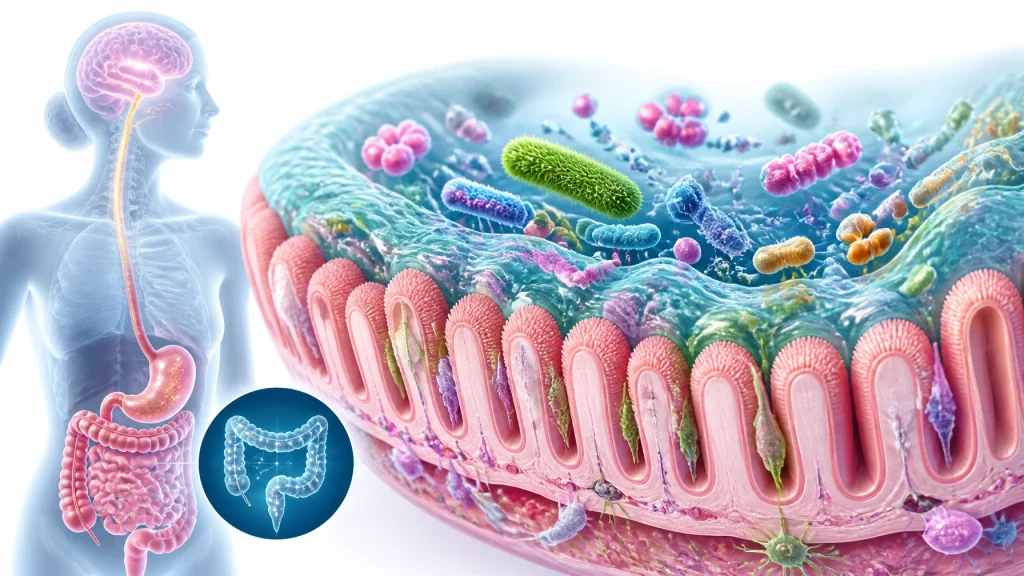
- Neuroinflammation and the Microbiome-Brain Axis
- The Pattern is the Prescription: A Synthesis of Evidence
- Clinical Integration: Concierge Medicine and Personalized Longevity
- References
1. The Longitudinal Link: Midlife Nutrition and Healthy Aging Odds
A landmark study published in Nature Medicine by Tessier et al. (2025) analyzed data from over 105,000 participants across 30 years to quantify the impact of midlife diet on “healthy aging”: defined as survival to age 70 or older with intact cognitive, physical, and mental health [1]. The findings revealed that individuals with the highest adherence to recognized dietary patterns, such as the Alternative Healthy Eating Index (AHEI), the Mediterranean diet, and the MIND diet, experienced 45% to 86% greater odds of healthy aging compared to those with the lowest adherence.
The evidence highlights specific food groups that correlate positively with longevity, including fruits (particularly berries), vegetables (leafy greens), whole grains, and unsaturated fats derived from nuts and legumes. Conversely, the study identified a strong inverse relationship between healthy aging and the consumption of trans fats, excess sodium, and red or processed meats. This suggests that the cumulative effect of dietary stressors in midlife can accelerate biological aging processes, manifesting as chronic disease or functional decline decades later [1].
These findings are most clinically useful when they can be tailored to the individual. At Goodwin Medical Center, concierge patients in Naples receive personalized dietary counseling informed by their biomarker profile, allowing midlife nutrition patterns to align with measurable metabolic and cardiovascular risk factors.
2. Neuro-Resilience: Buffering Brain Pathology via the MIND Diet
While age-related brain changes: such as white matter hyperintensities (markers of cerebrovascular disease) and cortical atrophy: are often viewed as inevitable, recent research by Dempsey et al. (2026) suggests that dietary intervention can decouple these structural changes from cognitive decline [2]. The study demonstrated that the Mediterranean-DASH Intervention for Neurodegenerative Delay (MIND) diet serves as a critical buffer.
At low levels of MIND diet adherence, the relationship between brain pathology and cognitive impairment is direct and predictive; however, at high adherence levels, this relationship is effectively eliminated. This “buffering effect” suggests that nutritional status may enhance the brain’s cognitive reserve, allowing it to maintain function even in the presence of physical lesions or atrophy [2]. Supporting this, the Framingham Heart Study (Chen et al. (2026)) found that high adherence to the MIND diet: specifically including berries and poultry: was linked to a significantly slower rate of brain aging, characterized by reduced grey matter atrophy and slower ventricle expansion over a decade [4].
Clinically, this means the MIND diet is most effective when it is translated into a sustainable, individualized plan rather than reduced to generic handouts. At Goodwin Medical Center, longer appointments with a concierge doctor in Naples, FL make it possible to build MIND diet strategies around a patient’s preferences, comorbidities, and long-term cognitive risk profile.

3. The Macro-Vascular Nexus: Reevaluating Carbohydrates and Fats
The conventional medical focus on total fat reduction has been challenged by the CAHHM/PURE study (2025), which utilized MRI technology to assess vascular brain injury in 9,886 participants [3]. The research established that higher carbohydrate intake is independently linked to greater MRI-detected vascular brain injury and lower cognitive scores.
In contrast, higher total fat intake, particularly monounsaturated fatty acids (MUFA), was associated with significantly less vascular injury and superior cognitive performance. This paradigm shift emphasizes that vascular protection is less about fat avoidance and more about fat quality and the regulation of glycemic load [3].
In a concierge medicine setting, this distinction can be monitored with greater precision. At Goodwin Medical Center, in-house lab testing allows patients to track how dietary carbohydrate quality and fat intake correspond with lipids, glucose-related markers, and other measurable indicators of vascular risk over time.
4. Endothelial Function: The Silent Engine of Longevity
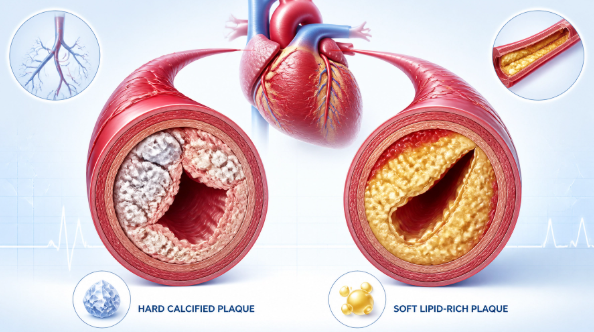
The endothelium: the thin membrane lining the heart and blood vessels: plays a pivotal role in regulating vascular tone and preventing atherosclerosis. Nguyễn et al. (2025) demonstrated that the Mediterranean and DASH diets directly improve endothelial function by increasing the bioavailability of nitric oxide [5]. Nitric oxide is essential for maintaining vessel elasticity and reducing systemic oxidative stress.
Furthermore, a specialized study on soy nuts (2021) observed that their inclusion in the diet increased cerebral blood flow and improved psychomotor speed in older adults, likely through the enhancement of endothelial-dependent vasodilation [8]. These microvascular improvements are a prerequisite for long-term brain health, as the brain consumes a disproportionate amount of the body’s oxygen and requires a highly responsive vascular network to function [5][8].
From a clinical standpoint, endothelial science supports earlier attention to vascular screening rather than waiting for overt disease. At Goodwin Medical Center, a dedicated physician can integrate blood pressure trends, cardiovascular risk review, and preventive screening into a more individualized plan for protecting vascular and cognitive health.

5. Neuroinflammation and the Microbiome-Brain Axis
Chronic systemic inflammation is a known driver of both vascular disease and cognitive decline. The MIND-NL study (Remie et al., 2026) provided evidence that dietary patterns moderate the relationship between systemic inflammation and neuroinflammatory metabolites [6]. Individuals adhering to the MIND diet showed lower levels of inflammatory markers, which translated to better cognitive outcomes.
This suggests that diet acts as an immunomodulatory tool. By reducing the inflammatory “noise” within the system, nutrient-dense foods (like those found in the PURE healthy diet score: fruits, vegetables, nuts, and fish) prevent the cascade of damage that leads to neurodegeneration [7].
This is also where concierge medicine becomes clinically useful: inflammatory risk can be followed longitudinally instead of inferred indirectly. At Goodwin Medical Center, patients benefit from physician-guided review of advanced inflammatory markers, helping connect dietary adherence with measurable changes in the biologic processes associated with vascular and cognitive decline.
6. The Pattern is the Prescription: A Synthesis of Evidence
The synthesis of these diverse studies reveals a consistent biological pattern. Longevity and brain health are not the result of “superfoods” but rather the sustained adherence to a nutrient-dense, low-inflammatory dietary architecture.
The Evidence-Based Protocol includes:
- Vascular Protection: Prioritize monounsaturated fats (olive oil, avocado) and nuts to support endothelial health [3][5][8].
- Neuro-Resilience: Utilize the MIND diet framework (berries, leafy greens, poultry) to buffer the cognitive impact of physical brain aging [2][4].
- Metabolic Stability: Reduce high-glycemic carbohydrates to minimize MRI-detectable vascular injury [3].
- Healthy Aging Foundation: Early and midlife adherence to AHEI or Mediterranean patterns to increase the odds of disease-free survival after 70 [1].
The broader clinical implication is that adherence improves when patients have structure, follow-up, and direct physician access. At Goodwin Medical Center, the concierge medicine model in Naples, FL provides the accountability and continuity that make evidence-based dietary patterns easier to sustain.

7. Clinical Integration: Concierge Medicine and Personalized Longevity
Implementing these scientific findings into a daily lifestyle requires more than general advice; it necessitates precise, personalized medical oversight. For residents of Southwest Florida, a concierge doctor in Naples, FL provides the necessary framework for this level of preventive care.
At Goodwin Medical Center, the focus shifts from reactive symptom management to proactive longevity optimization. By utilizing advanced diagnostics, such as in-house lab testing and comprehensive health assessments, patients can monitor their vascular markers and inflammatory levels in real-time. The concierge medicine model in Naples, FL, allows for extended appointment times where nutritional science is translated into actionable, patient-specific protocols.
Whether it is managing cardiovascular risk or implementing a neuro-protective diet, the partnership between a dedicated physician and an informed patient is the most effective tool for ensuring that the science of longevity becomes a personal reality.
8. References
[1] Tessier, A. J., et al. (2025). Midlife dietary patterns and the odds of healthy aging: A 30-year longitudinal study of 105,000 participants. Nature Medicine.
[2] Dempsey, K., et al. (2026). The MIND diet as a moderator of the relationship between brain pathology and cognitive function. Frontiers in Nutrition.
[3] CAHHM/PURE Study Group. (2025). Dietary macronutrients and MRI-detected vascular brain injury: A population-based analysis of 9,886 participants. Journal of Vascular Health.
[4] Chen, X., et al. (2026). Long-term adherence to the MIND diet and structural brain aging in the Framingham Heart Study. Alzheimer’s & Dementia.
[5] Nguyễn, T. H., et al. (2025). Dietary patterns and endothelial dysfunction: A systematic review of nitric oxide-mediated mechanisms. Current Atherosclerosis Reports.
[6] Remie, C. M., et al. (2026). Adherence to the MIND diet and its impact on systemic inflammation and neuroinflammatory metabolites: Results from the MIND-NL study. Molecular Nutrition & Food Research.
[7] PURE Study Investigators. (2026). The healthy diet score and cognitive decline in older adults: A multi-cohort analysis. The Lancet Healthy Longevity.
[8] Soy Nut Research Consortium. (2021). The effects of soy nut consumption on cerebral blood flow and psychomotor speed in an aging population. Nutrition, Metabolism & Cardiovascular Diseases.