In today’s health-conscious world, we are constantly bombarded with the “next big thing” in wellness. From green juices to cryotherapy, the quest for the fountain of youth is particularly vibrant here in Naples, FL. Many people feel frustrated by the conflicting advice they find online: one day eggs are good, the next they aren’t; one year low-fat is king, the next it’s all about keto. It’s overwhelming to try and separate fleeting trends from true, science-backed preventive care.
One topic that has transitioned from a niche “biohack” to a mainstream health strategy is intermittent fasting (IF). You’ve likely heard it discussed at the golf club or over lunch at 5th Avenue South. But is it just another fad, or is it truly the ultimate tool for longevity planning?
At Goodwin Medical Center, we believe healthcare should be a partnership where we explore these strategies through the lens of medical expertise. We’ve all experienced the feeling of wanting to take control of our health but not knowing where to start without risking our muscle mass or energy levels. Let’s dive into what the science actually says about intermittent fasting and how it fits into a high-end, personalized health regimen.
The Problem: Modern Living vs. Ancient Biology
The fundamental issue many of us face isn’t just what we eat, but how often we eat. In our modern environment, food is available 24/7. We’ve been conditioned to eat from the moment we wake up until the moment we go to sleep, often with multiple snacks in between. This constant state of “fedness” means our bodies rarely have to tap into stored energy.
This lifestyle creates a persistent elevation in insulin, the hormone responsible for storing fat and managing blood sugar. Over time, high insulin levels can lead to insulin resistance, systemic inflammation, and accelerated aging. The good news is that our bodies are actually designed to handle periods without food. In fact, some of our most vital cellular repair processes only happen when we aren’t busy digesting.
The “Metabolic Switch” and Longevity
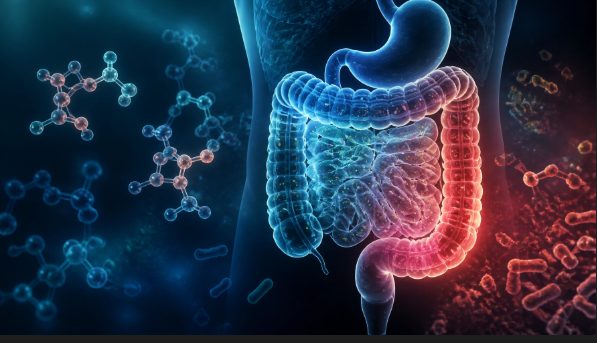
The magic of intermittent fasting lies in what researchers call the “metabolic switch.” This is the point where the body shifts from using glucose (sugar) as its primary fuel source to using fatty acids and ketones. This switch usually begins to happen after about 10 to 12 hours without food.
Beyond just burning fat, this switch triggers a cascade of cellular benefits:
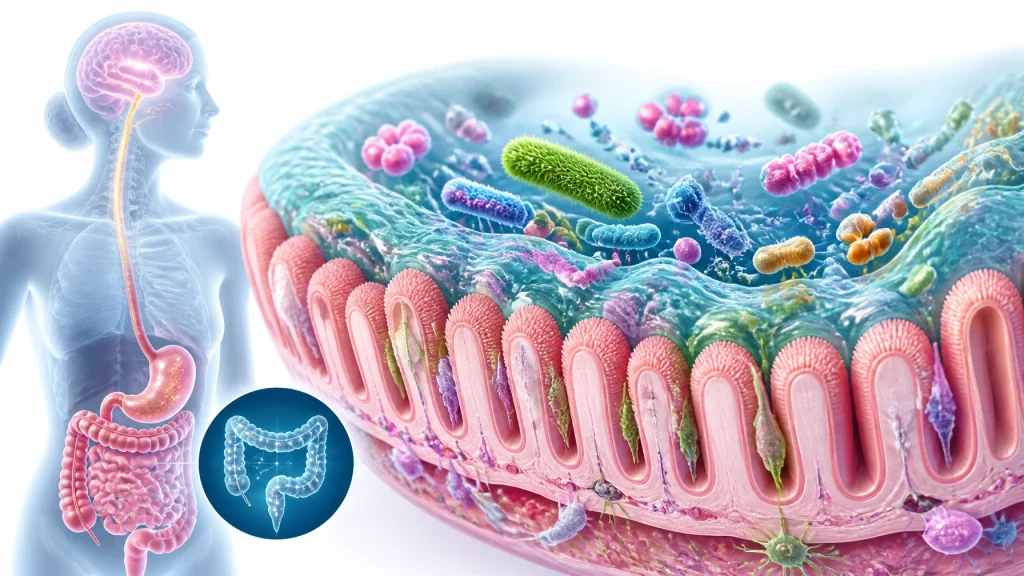
- Autophagy (Cellular Cleanup): Think of this as your body’s internal recycling program. During fasting, your cells identify and break down damaged components, proteins, and even old organelles. This “housecleaning” is essential for slowing down the aging process and preventing the accumulation of cellular waste that leads to chronic disease.
- Reduced Oxidative Stress: Fasting can decrease the production of free radicals, which are unstable molecules that damage DNA and contribute to aging.
- Gene Expression: Intermittent fasting has been shown to influence genes related to longevity and protection against stress. It turns on “survival” genes that help your body become more resilient.
For our patients looking for an Internal Medicine Naples FL specialist, understanding these biological mechanisms is the first step in moving from reactive medicine to true preventive care.
Boosting Your Metabolic Health
While longevity is the long-term goal, the immediate benefits of intermittent fasting on metabolic health are equally impressive. When we talk about weight management at Goodwin Medical Center, we aren’t just looking at the number on the scale; we are looking at how your body functions internally.
Improved Insulin Sensitivity
By giving your pancreas a break from producing insulin, your cells become more sensitive to it. This is a critical factor in preventing and managing Type 2 diabetes. When your insulin sensitivity improves, your body becomes much more efficient at utilizing the food you do eat, rather than storing it as fat.
Heart Health Markers
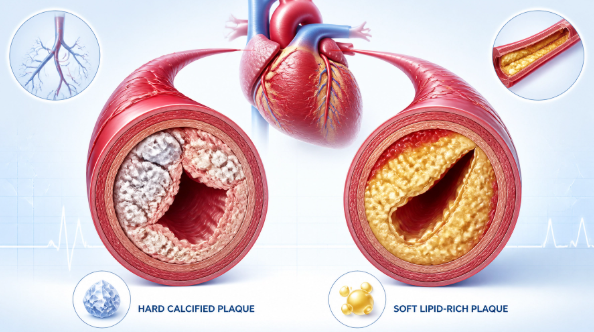
Research suggests that intermittent fasting can improve several risk factors for cardiovascular disease. This includes significant reductions in blood pressure, total cholesterol, and “bad” LDL cholesterol. It also helps lower triglycerides: the fats in your blood that can contribute to artery hardening.
Weight Management Without Deprivation
Unlike traditional calorie-restricted diets that often leave you feeling sluggish and hungry, IF focuses on the timing of eating. Many people find that once they adapt to a fasting window, their hunger hormones (like ghrelin) actually stabilize, making it easier to maintain a healthy weight without the constant mental battle of “dieting.”
The Concierge Advantage: Fasting Safely in Naples
While the benefits of intermittent fasting are clear, it is not a “one-size-fits-all” solution. This is where the exclusive concierge practice model truly shines. You might experience muscle loss, electrolyte imbalances, or extreme fatigue if you jump into a fasting protocol that isn’t right for your specific physiology.
This level of personalization is why many residents choose a concierge doctor naples fl. At Goodwin Medical Center, we don’t just tell you to “skip breakfast.” We integrate fasting into a holistic plan that considers:
- Your Current Lab Work: We analyze your baseline insulin, glucose, and lipid panels to see how your body is currently handling fuel.
- Dr. Goodwin’s Expertise: With her deep background as a female physician in internal medicine and ER care, Dr. Goodwin can safely tailor fasting strategies to ensure they don’t interfere with existing medications or underlying health conditions.
Making Intermittent Fasting Work for Your Lifestyle
We understand that living in Naples involves a vibrant social life. Between dinner parties, charity galas, and family visits, the idea of a rigid fasting schedule might seem impossible. However, the flexibility of intermittent fasting is one of its greatest strengths.
- The 16:8 Method: The most popular approach, where you fast for 16 hours and eat during an 8-hour window (e.g., 12 PM to 8 PM). This allows you to enjoy a social dinner while still reaping the benefits of a daily metabolic switch.
- Circadian Fasting: This involves aligning your eating window with daylight hours, which can be even better for sleep quality and metabolic rhythm.
- Periodic Longer Fasts: For some, a 24-hour fast once a week or month provides a deeper level of autophagy under medical supervision.
By prioritizing your health through a structured plan, you gain the peace of mind that you are doing everything possible to stay active and healthy for years to come.

Is It Time to Optimize Your Health?
Intermittent fasting is a powerful tool, but it works best when it’s part of a comprehensive preventive medicine strategy. It isn’t just about living longer; it’s about living better: maintaining the cognitive clarity, physical strength, and energy levels you need to enjoy everything our community has to offer.
If you’re ready to experience a different kind of healthcare: one that prioritizes time, deep expertise, and proactive planning: we invite you to reach out. We believe that every patient deserves a personalized roadmap to longevity, backed by the latest science and a physician who truly knows your history.
Ready to build your personalized longevity plan?
Request an Appointment or Contact Us today to learn more about how our concierge membership can transform your approach to health. Let’s work together to ensure your best years are still ahead of you.